
Places to visit in Varanasi
Varanasi, one of the world's oldest continuously inhabited cities, is a destination that every traveler should experience at least once in a lifetime. Revered as the spiritual capital of India, Varanasi is the holiest city in Hinduism and a timeless center of faith, culture, and learning. Situated on the banks of the sacred River Ganga in the northern state of Uttar Pradesh, the city is believed to be where the cycle of life and death comes full circle. The holy river, worshipped as Mother Ganga, flows through the city, making it one of India's most important pilgrimage destinations. For travelers seeking an authentic glimpse into India's spiritual heritage, traditions, and timeless rituals, Varanasi offers an unforgettable journey.
Known through the ages as Kashi, Banaras, and now Varanasi, the city's present name is believed to be derived from the two rivers, Varuna and Assi, which mark its northern and southern boundaries. With a history spanning over 3,000 years, Varanasi has remained one of the most significant centers of Hindu philosophy, Sanskrit education, music, art, and culture. Every year, millions of pilgrims and visitors from around the world come here to seek blessings, perform religious ceremonies, and experience the city's unique spiritual atmosphere.
The city's greatest attraction is its magnificent chain of over 80 ghats lining the River Ganga. Among the most famous are Dashashwamedh Ghat, Assi Ghat, Manikarnika Ghat, Harishchandra Ghat, and Panchganga Ghat, each carrying immense religious and historical significance. The narrow lanes of the old city are filled with centuries-old temples, shrines, traditional homes, bustling markets, and hidden courtyards that reflect the city's timeless charm. A visit to the revered Kashi Vishwanath Temple, dedicated to Lord Shiva, is considered one of the most sacred experiences for Hindu pilgrims. Other notable attractions include the Sankat Mochan Hanuman Temple, Durga Temple, Tulsi Manas Mandir, Bharat Mata Temple, and the historic Ramnagar Fort.
Just 13 km from the city lies Sarnath, one of Buddhism's most sacred pilgrimage sites, where Lord Buddha delivered his first sermon after attaining enlightenment. Visitors can explore the Dhamek Stupa, Chaukhandi Stupa, Ashoka Pillar, Mulagandha Kuti Vihara, and the Archaeological Museum, making Sarnath an essential excursion during any visit to Varanasi.
Varanasi is equally renowned for its rich artistic traditions and craftsmanship. The city is famous for its exquisite Banarasi silk sarees, handwoven textiles, wooden toys, brassware, carpets, and handicrafts. Exploring the weaving communities offers visitors a fascinating insight into centuries-old weaving techniques that continue to produce some of India's finest silk fabrics. Popular shopping areas include Vishwanath Gali, Godowlia Market, Thatheri Bazaar, and Chowk, where visitors can purchase authentic Banarasi silk, handcrafted souvenirs, and traditional artifacts.
No visit to Varanasi is complete without witnessing the mesmerizing Ganga Aarti at Dashashwamedh Ghat. Held every evening, this spectacular ritual features synchronized chanting of Vedic hymns, devotional music, incense, and large brass lamps offered to the sacred river, creating one of the most unforgettable spiritual experiences in India. An early morning boat ride on the River Ganga provides breathtaking views of the sunrise, the bustling ghats, and the city's daily rituals unfolding along the riverbanks.
Food lovers will also find Varanasi a culinary delight. The city's famous specialties include Kachori Sabzi, Tamatar Chaat, Banarasi Chaat, Baati Chokha, Malaiyyo (seasonal winter delicacy), Lassi, Rabri, Jalebi, and the world-famous Banarasi Paan. Visitors can also enjoy heritage walks, photography tours, yoga and meditation sessions, cultural performances, classical music concerts, and boat cruises, making a holiday in Varanasi a perfect blend of spirituality, history, culture, and unforgettable experiences.
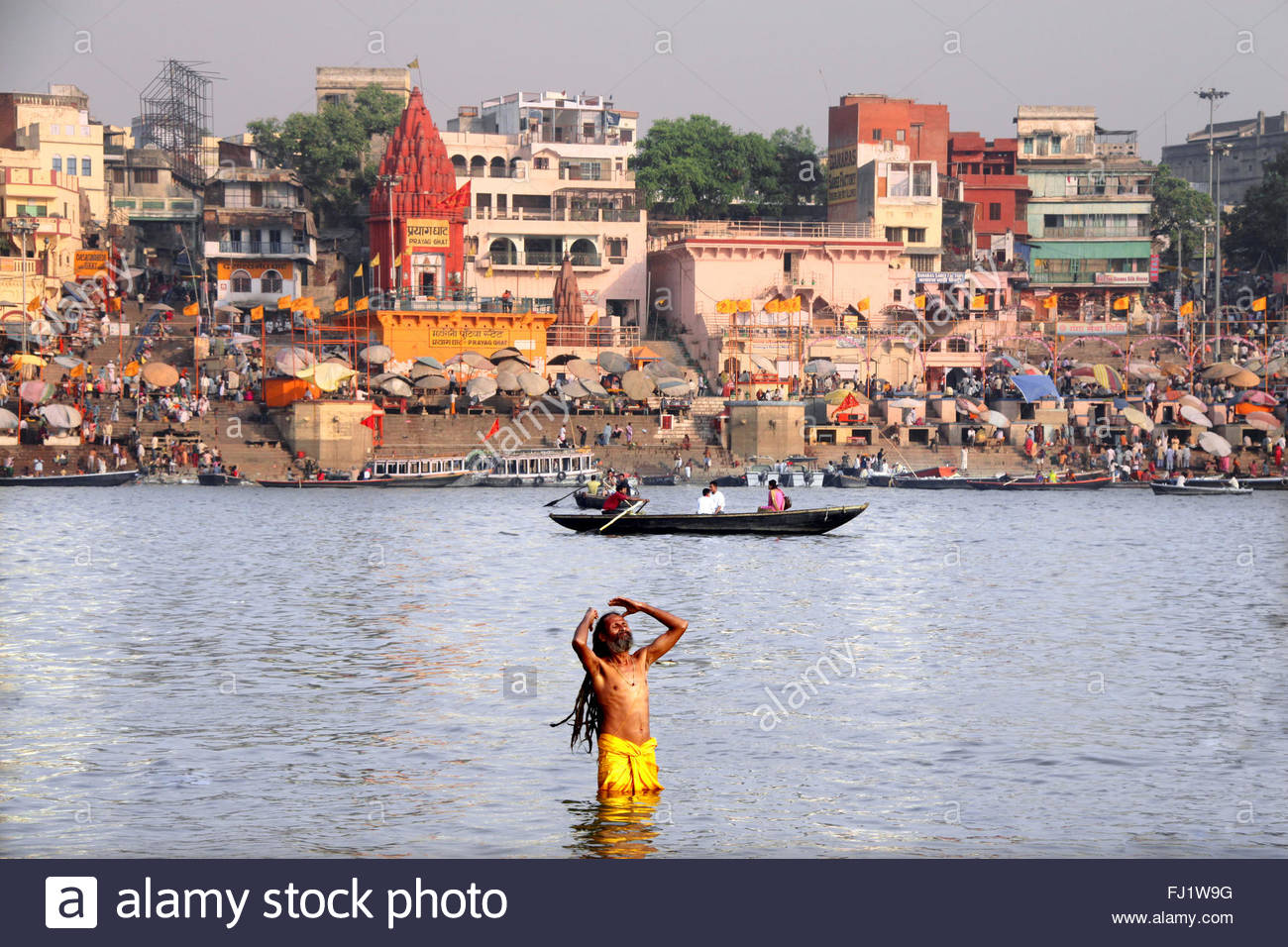
Dashashwamedh Ghat is the main ghat in Varanasi on the Ganga River. It is located close to Vishwanath Temple and is probably the most spectacular ghat. Two Hindu legends are associated with it: according to one, Brahma created it to welcome Shiva, and in another, Brahma sacrificed ten horses during Dasa-Ashwamedha yajna performed here. The present ghat was built by Peshwa Balaji Baji Rao in the year 1748. A few decades later, Ahilyabahi Holkar, the Queen of Indore rebuilt the ghat in the year 1774. Close to the ghat, overlooking the Ganga lies the Jantar Mantar, an observatory built by Maharaja Jai Singh of Jaipur in the year 1737.
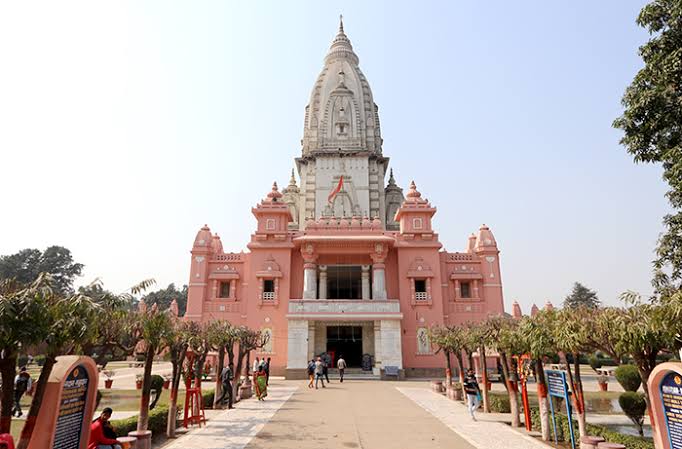
Kashi Vishwanath Temple is one of the most famous Hindu temples dedicated to Lord Shiva. It is located in Vishwanath Gali of Varanasi, Uttar Pradesh, India. The Temple stands on the western bank of the holy river Ganga, and is one of the twelve Jyotirlingas, the holiest of Shiva Temples. The main deity is known by the names Shri Vishwanath and Vishweshwara literally meaning Lord of the Universe. Varanasi city is also called Kashi in ancient time, and hence the Temple is popularly called as Kashi Vishwanath Temple. The etymology of the name Vishveshvara is Vishva: Universe, Ishvara: lord, one who has dominion. The Temple has been referred to in Hindu scriptures for a very long time as a central part of worship in the Shaiva Philosophy. It has been destroyed and re-constructed a number of times in history. The last structure was demolished by Aurangzeb, the sixth Mughal emperor who constructed the Gyanvapi Mosque on its site. The current structure was built on an adjacent site by the Maratha ruler, Ahilya Bai Holkar of Indore in 1780. Maharaja Ranjit Singh, First Sikh Maharaja, donated 1 ton Gold for flaming Temple's Dome.
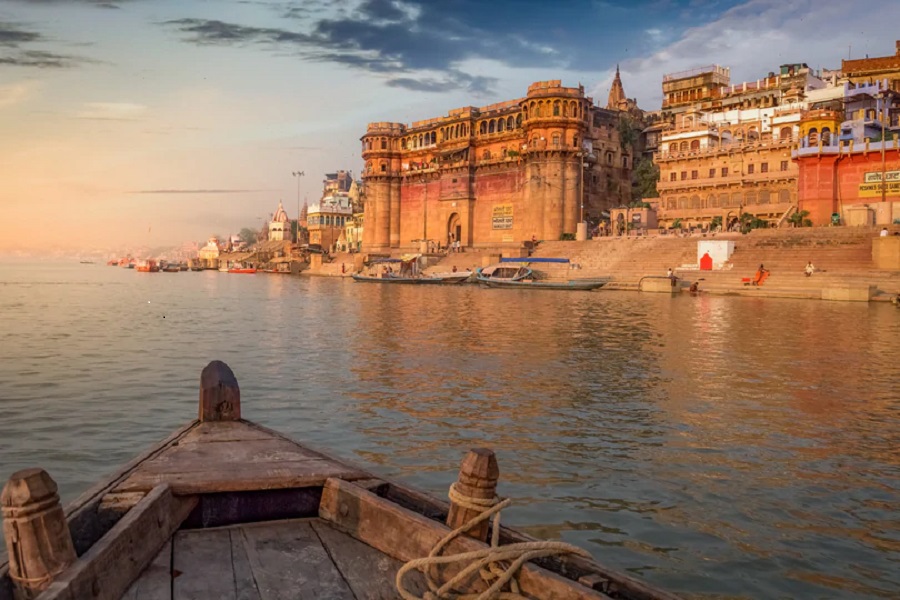
Asi Ghat is one of the five extraordinary ghats in India; where the pilgrims are supposed to bathe in all the ghats on the same day and in order. The order is Asi, Dasaswamedh, Barnasangam, Panchganga and finally Manikarnika.
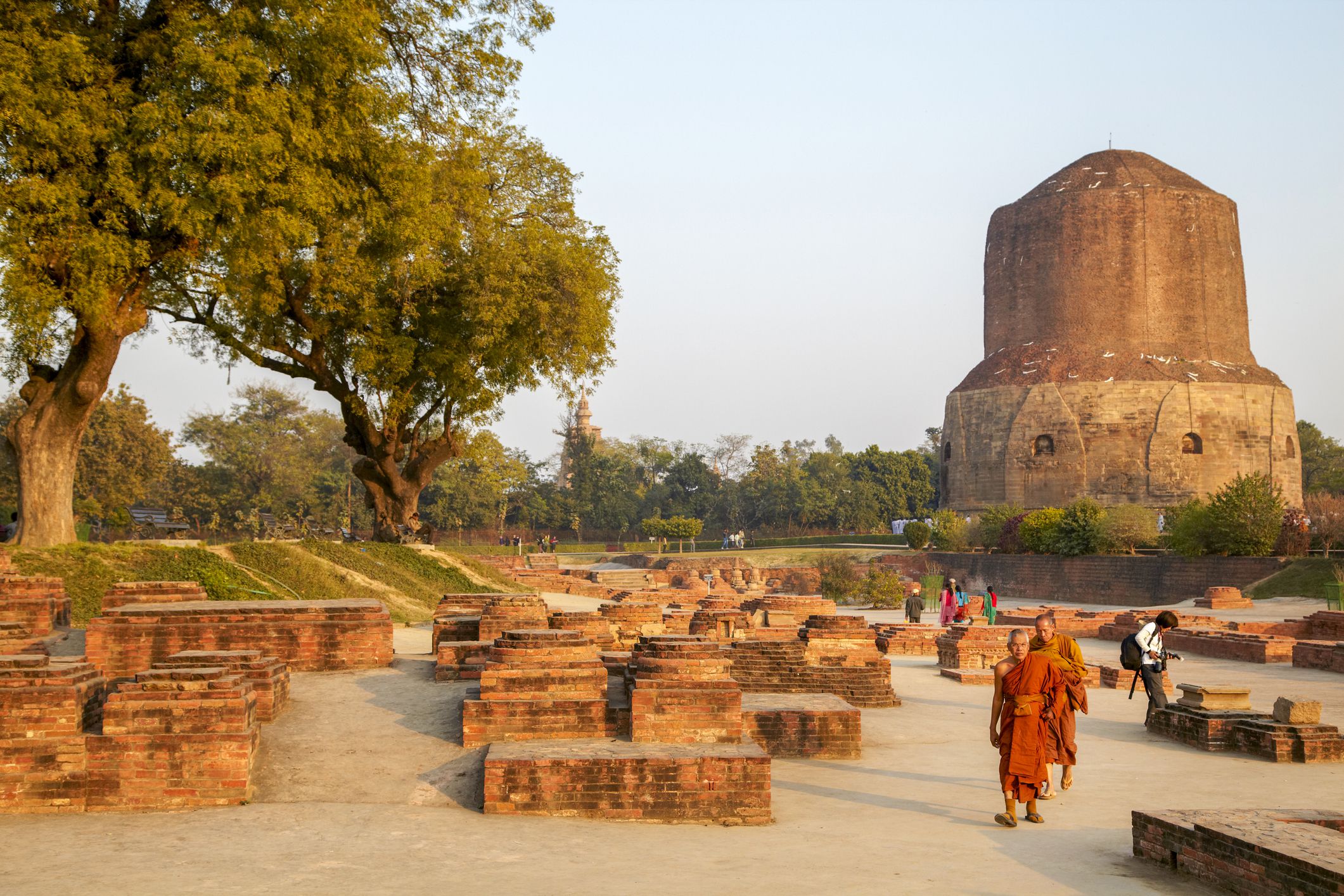
Sarnath: Located 12 km from the holy city of Varanasi, Sarnath is the most important pilgrimage site for the Buddhist. Gautam Buddha delivered his first sermon in Sarnath after attaining enlightenment in Bodhgaya. Between the 3rd and 11th century AD several Buddhist structures were constructed in Sarnath that makes it the most expansive ruins amongst different places on the Buddhist trail. Some of the most eminent Buddhist monuments at Sarnath are the Dhamekha stupa and the Chaukhandi stupa.
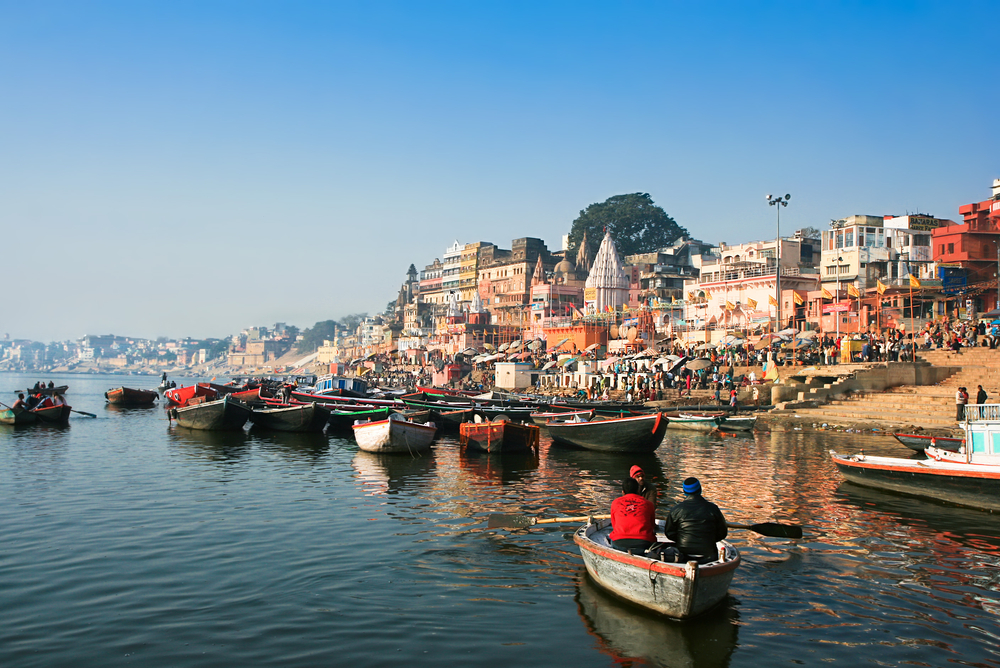
The day begins early with a Dawn Boat Ride on the holy river Ganges. The guide will pick you up from hotel and will take you to the river Ganges. The city and the river Ganges comes alive at dawn, when hundreds and thousands of devotees come to the river to worship the Sun God. The edge of the river looks amazing from a boat at sunrise and this sight is spiritually uplifting. Hinduism is deep and magical; it is everywhere, in the sight of a sparkling temple, in the sound of a sacred bell, in the prayer chants of the priests and in the smell of the flowers.
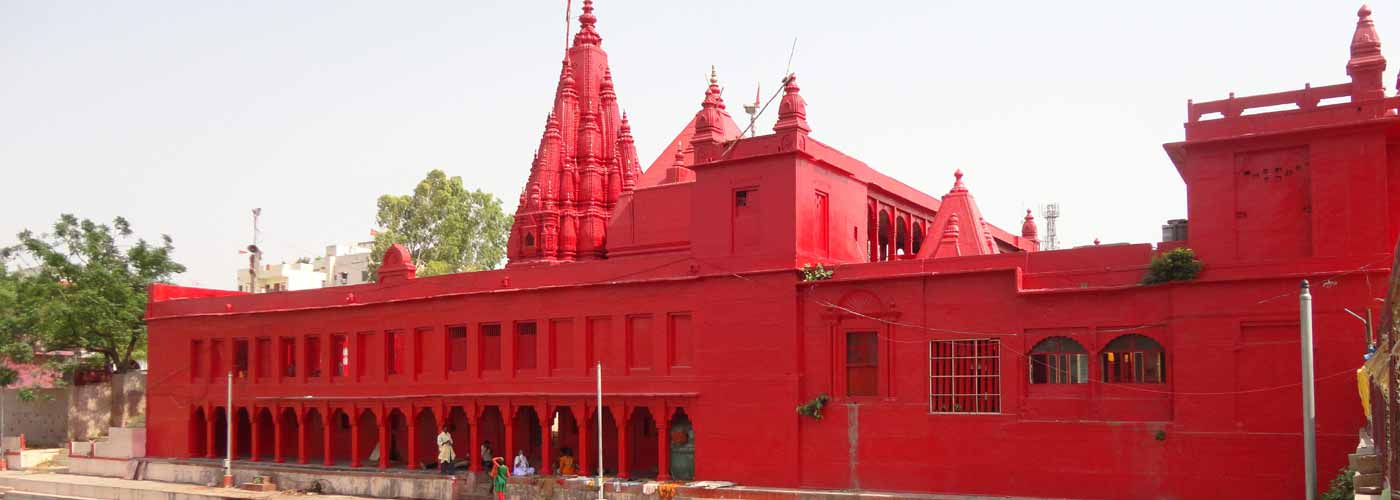
Durga Temple was constructed in the 18th century by a Bengali Maharani. This temple is commonly known as the ‘Monkey Temple’ as many monkeys have made it their home. The construction of this temple is in Nagara style (North Indian style). The temple has a Durga Kund (Kund means Pond or pool). The temple has multi-tiered shikharas and is stained red with ochre, which represents the color of Durga. This temple is closed for non-Hindus.
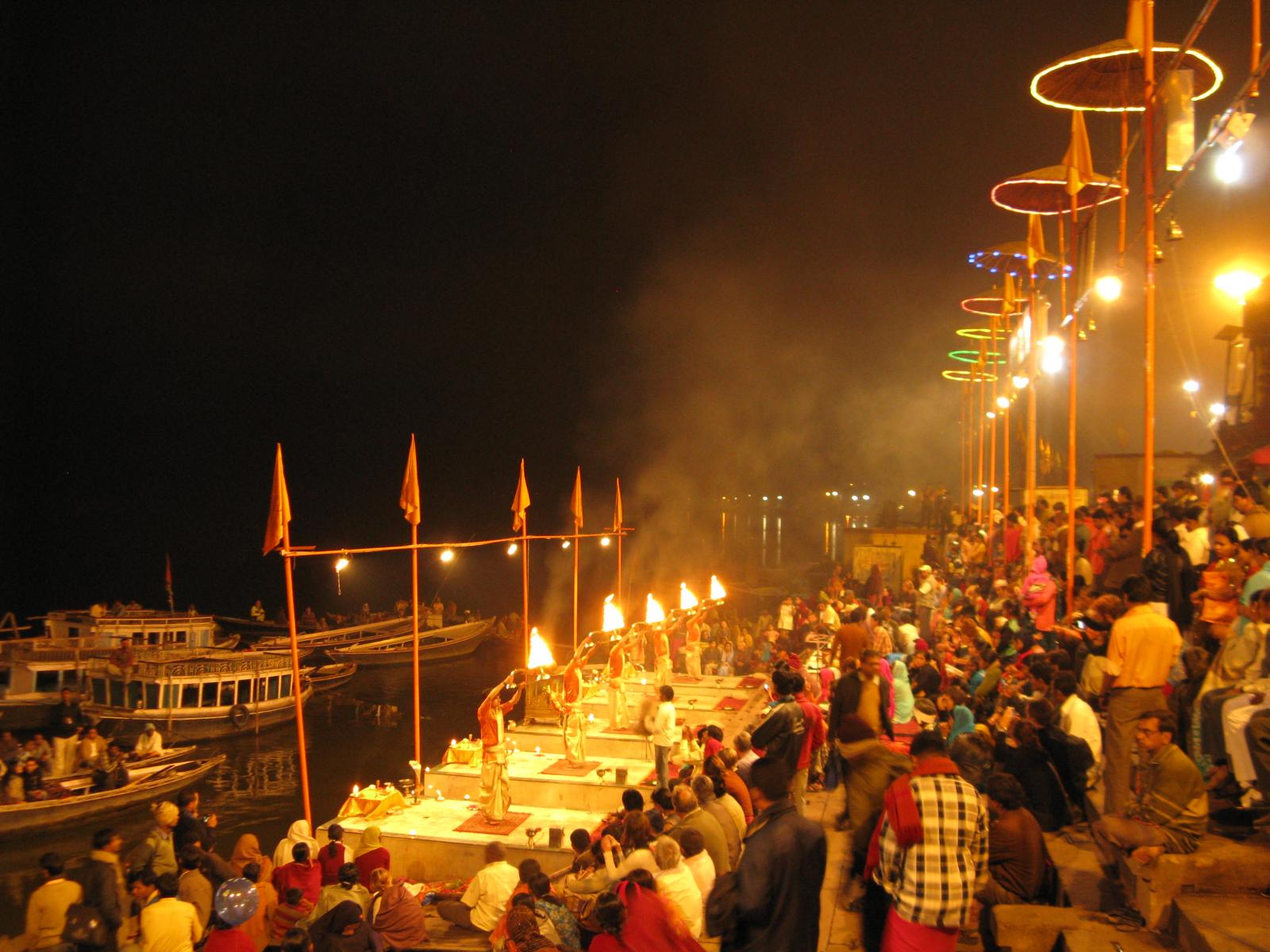
Evening Aarti Ceremony -- It takes place every sunset at the Dasaswamedh Ghat,near Kashi Vishwanath Temple in Varanasi. It is a highly choreographedceremony. The aarti is performed on a stage by a group of young pandits(priests), all draped in saffron colored robes with their puja plates spreadout before them. It commences with the blowing of a conch shell, and continueswith the waving of incense sticks in elaborate patterns and circling of largeflaming lamps that create a bright hue against the darkened sky. The movementof the lamps, held in the pandits' hands, is tightly synchronizing to therhythmic chants of hymns and clang of cymbals. The heady scent of sandalwoodthickly permeates the air. An excellent way to end your day in Varanasi.
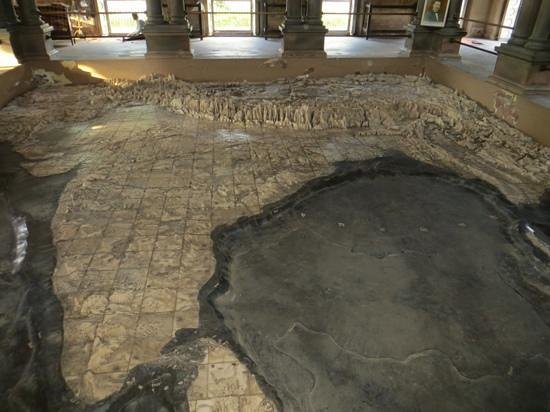
Bharat Mata Mandir is located on the Mahatma Gandhi Kashi Vidyapith campus in Varanasi, India. Instead of traditional statues of gods and goddesses, this temple has a huge map of undivided India carved in marble. This temple is dedicated to Bharat Mata and claims to be the only one of its kind in the world.